The Rushes Problem: How AI Is Solving TV's Biggest Time Drain

Victoria Holden
March 17, 2026 · 3 min read
Ask any producer where production time goes, and they’ll tell you the same thing: rushes.
You shoot for weeks. You come back with terabytes of footage. And then begins the long, expensive, sometimes demoralising process of logging every clip, transcribing every interview, finding every usable moment buried inside hours of material.
For a single-hour documentary, that process can take weeks. For a multi-part series, it can take months.
The traditional rushes workflow is broken
The standard approach hasn’t changed in years. A researcher or AP watches through every clip. They type up a log. They note timecodes. They write descriptions by hand. It’s painstaking, it’s expensive, and it’s entirely manual.
The result is a rushes log that’s only as good as the person who wrote it – and only as findable as your ability to read through pages of notes and remember what you saw three weeks ago.
AI changes everything about how you handle rushes
With AI-powered media processing, every clip you upload is automatically transcribed, tagged, analysed for faces and objects, and indexed for search – in the time it would take a researcher to watch a single clip.
That means your entire rushes library is searchable from day one in just a few hours. Not searchable by filename. Searchable by what people actually said, what’s actually in frame, what’s actually happening on screen.
MotionHub in action: a real-life production
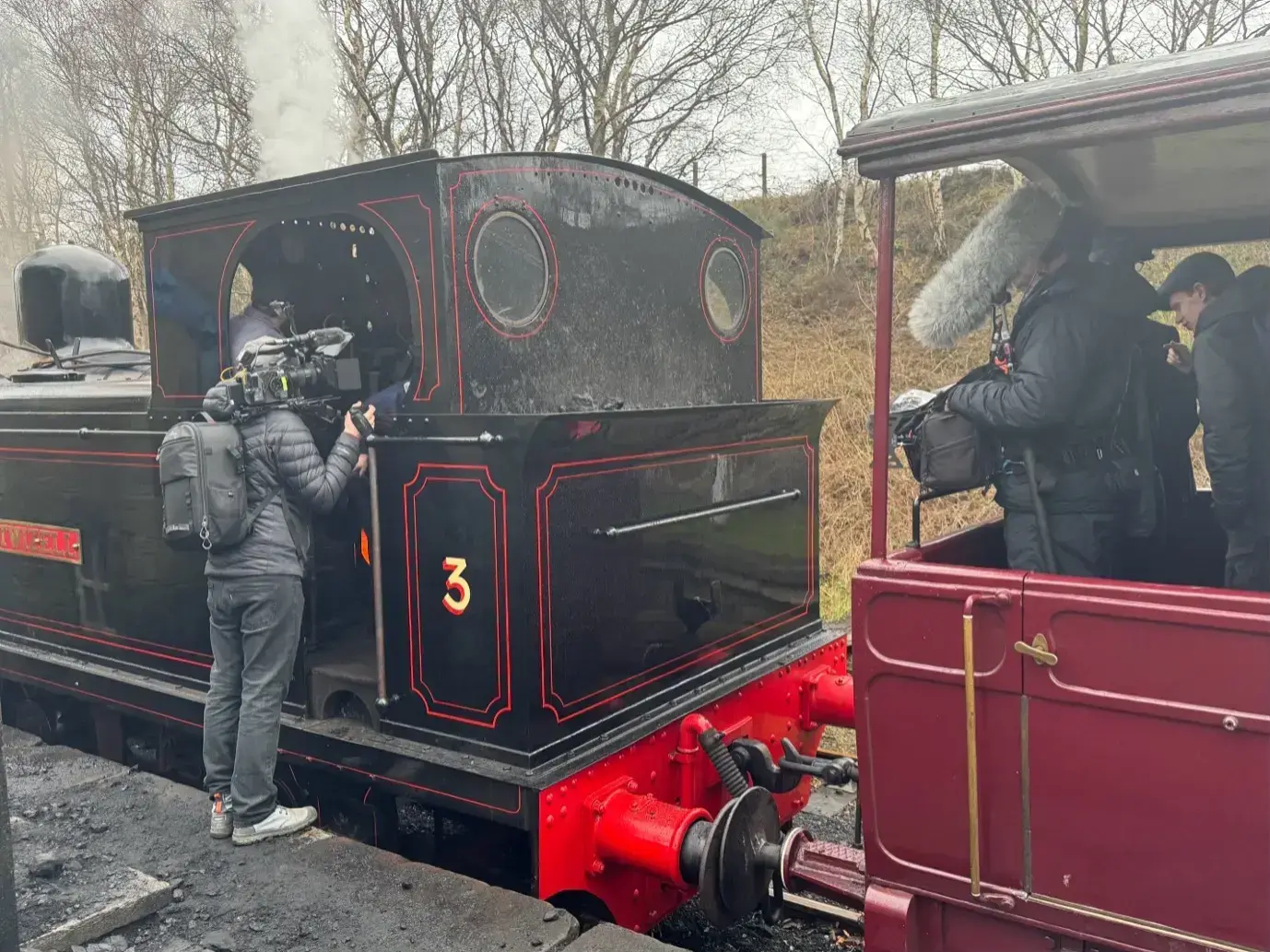
On The World’s Oldest Railway for the BBC Our Lives series, over 500 video files have been uploaded and processed. Every one of them is indexed, transcribed, and searchable – automatically.
When an editor needs a particular moment, they search for it. They don’t scroll through a spreadsheet. They don’t ask the researcher to go back through the drives. They type a query and find what they need.
The rushes log becomes a living, searchable database rather than a static document. And it’s built in the background, while the rest of the production carries on.
What this means for your budget
Logging and transcription costs are often invisible inside a production budget – absorbed into researcher time, offline edit time, assistant editor time. AI doesn’t eliminate those roles. But it dramatically reduces the time spent on the most repetitive parts of them, freeing your team for the work that requires human judgement.
On a 60-minute documentary, that could mean days saved in offline prep. On a series, it could mean weeks.